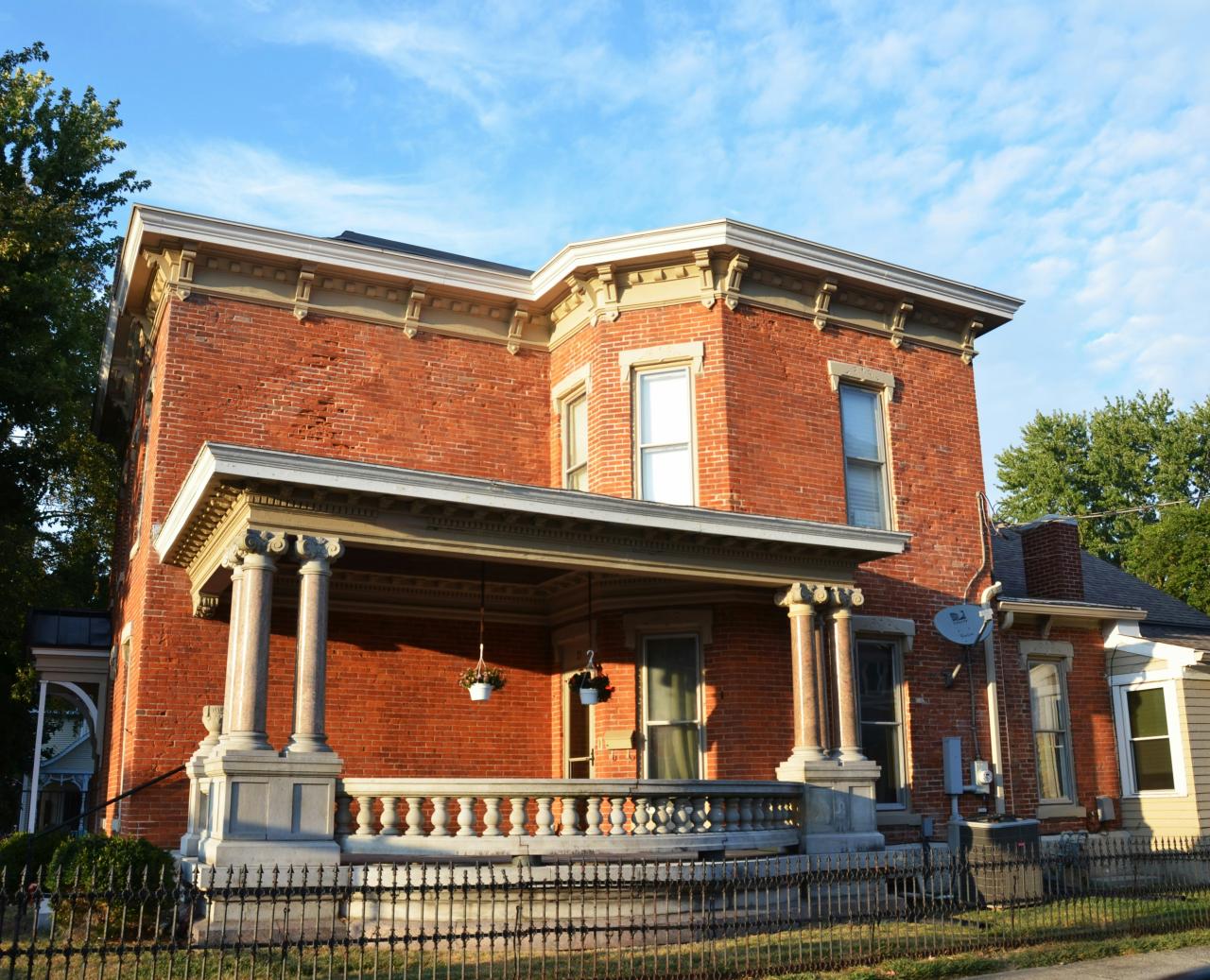
Managing your home equity effectively has transformed from a simple loan process into a sophisticated method of capital orchestration and wealth building. Many homeowners now view their property not just as a shelter but as a dynamic financial engine that provides massive liquidity when needed.
This shift in the modern real estate ecosystem requires a deep understanding of interest rate structures, the physics of loan-to-value ratios, and the discipline to manage debt.
For the modern homeowner or family architect, mastering the mechanics of equity access is a fundamental pillar for securing a legacy and scaling personal wealth. Achieving elite status in this financial domain involves more than just signing a bank document; it requires a radical re-imagining of your balance sheet.
This guide deconstructs the complex layers of the modern home lending market to provide a comprehensive roadmap for transforming static brick-and-mortar value into a high-performance vehicle for growth.
By focusing on the synergy between technical fiscal precision and strategic investment foresight, you can build a financial fortress that thrives by anticipating market shifts. Let us explore the pillars of housing sovereignty and discover how to build a legacy of excellence that flourishes in an era of unprecedented economic complexity.
The Foundation of Home Equity Architecture

Home equity represents the difference between the current market value of your property and the remaining balance on your mortgage. You should treat this value as a sleeping giant that requires a careful touch to wake up without causing a financial storm.
While most people focus only on the interest rate, you should prioritize the utility of the money. If you use equity to fix a leaky roof, you prevent a future structural failure that could cost fifty thousand dollars. Think of equity as an insurance policy for your asset’s physical health rather than just extra cash.
A. Home Equity Lines of Credit (HELOC) Mechanics
A HELOC works much like a credit card where you have a revolving balance that you can tap into whenever necessary.
This flexibility allows you to only pay interest on the amount you actually use, making it a very efficient tool for ongoing projects. Most banks offer a draw period where you pay only interest, followed by a repayment period for the principal.
B. Home Equity Loans and Fixed-Rate Stability
Unlike a line of credit, a home equity loan provides a lump sum of cash upfront with a fixed interest rate. This structure is perfect for homeowners who need a specific amount of money and want the security of a predictable monthly payment.
It acts as a second mortgage and usually offers a lower interest rate than unsecured personal loans or credit cards.
C. Cash-Out Refinancing and Mortgage Restructuring
This method involves replacing your current mortgage with a new, larger loan and taking the difference in cash. It is a powerful move when current market interest rates are lower than your original mortgage rate. You essentially reset your primary debt while unlocking a massive pool of capital for other high-value investments.
Strategic Home Improvements and Value Scaling
Using your home’s value to increase its value is the most logical way to use equity because it creates a self-reinforcing loop of wealth. You must choose projects that offer the highest return on investment (ROI) to ensure your capital isn’t wasted on vanity.
Don’t build the most expensive house on a cheap block or you might regret it later. You should research your neighborhood’s price ceiling before starting a massive renovation. Scaling your home beyond what the local market can support is a technical error that leads to an equity trap.
A. Kitchen and Bathroom Modernization
These two rooms are the vital organs of a home’s market value and usually offer the highest recovery rate upon sale. Upgrading appliances, countertops, and fixtures can drastically increase the appraisal density of your property. High-quality finishes act as a signal to future buyers that the entire house has been well-maintained.
B. Energy Efficiency and Green Infrastructure
Installing solar panels, high-efficiency windows, or modern insulation reduces your monthly utility leaks. These improvements often qualify for government incentives and make your home more resilient to rising energy costs. A house that costs less to run is always more valuable in a competitive real estate market.
C. Structural Repairs and Systemic Maintenance
Fixing a foundation or replacing an old HVAC system might not be glamorous, but these tasks protect your base investment.
Buyers will immediately walk away from a house with a failing roof, regardless of how nice the kitchen looks. Prioritizing the bones of the house ensures your equity remains a solid asset rather than a house of cards.
Consolidating High-Interest Debt and Fiscal Repair
The modern consumer is often burdened by high-interest credit card debt that acts as a parasite on their monthly cash flow. Home equity offers a way to sterilize this debt by moving it into a low-interest environment.
Debt consolidation only works if you stop using the credit cards after you pay them off. If you don’t fix the behavior that caused the debt, you are just moving a fire from one room to another. You must cut the cards to ensure this strategy actually leads to long-term wealth.
A. Interest Rate Arbitrage and Margin Expansion
If you pay 24% on a credit card and can get a home loan at 7%, you are effectively saving 17% in interest every single month. This massive spread allows you to pay off the principal much faster than before. You are essentially using your home’s stability to kill off your most aggressive financial liabilities.
B. Streamlining Monthly Cash Flow Velocity
Consolidating multiple small debts into one single monthly payment reduces administrative friction and mental stress. This simplified workflow allows you to focus on earning more rather than managing a dozen different due dates. A clear financial dashboard is the hallmark of a high-performance household.
C. Improving Credit Scores Through Utilization Ratios
Paying off credit cards with a home loan lowers your revolving utilization, which is a primary driver of your credit score. A higher credit score then unlocks even better interest rates for future loans or insurance. This creates a positive feedback loop that strengthens your overall financial sovereignty.
Investing in Education and Human Capital
Your ability to earn money is your most valuable asset, and using home equity to fund education is a move toward permanent career scaling.
Always calculate the time to break even for any education you fund with your equity. If the degree takes thirty years to pay for itself in salary increases, it’s a poor use of capital. Only invest in skills that the current market is actively starving for.
A. Funding Higher Education and Specialized Training
Using equity for tuition is often much cheaper than taking out private student loans with predatory interest rates. Investing in a degree or a high-level certification increases your lifetime earnings velocity. This turns a static physical asset into a dynamic intellectual asset that produces income for decades.
B. Upskilling for the Digital and AI Economy
The modern workforce requires constant adaptation to new technologies like machine learning and data science. Taking a sabbatical funded by equity to master these skills can lead to a massive increase in salary. This is a strategic move that treats your career like a high-growth startup.
C. Business Startup Capital and Entrepreneurial Fuel
Many successful businesses were started with a small home equity loan acting as the seed round. If you have a proven business model, using equity is a way to maintain 100% ownership while securing the gear or inventory you need. This is the ultimate way to transition from a worker to an owner.
Building a Diversified Investment Portfolio
Sophisticated investors use home equity as dry powder to acquire other cash-flowing assets when the market presents an opportunity.
Never invest equity into something that you can’t explain to a ten-year-old child. Complexity is often a mask for risk that you want to avoid. If you are using your house to buy stocks, keep a 20% safety buffer in cash so a market dip doesn’t force a panic sale.
A. Acquiring Residential Rental Properties
You can use the cash from your primary home to pay the down payment on a second rental property. This allows you to control more real estate with the same amount of initial capital. The rental income should ideally cover the new debt, creating a self-funding asset stack.
B. Entering the Stock Market and Dividend Growth
Some homeowners invest equity into high-yield dividend stocks or index funds to create a passive income stream. This strategy requires a high level of market discipline to ensure the returns stay higher than the loan’s interest rate. It is a form of margin trading using your house as the collateral.
C. Angel Investing and Private Equity Participation
For high-net-worth individuals, equity can provide the entry ticket into exclusive private deals or startups. These investments carry high risk but offer the potential for alpha returns that the public market cannot match. This move places you in the theater of institutional-grade wealth management.
Managing Risk and Protecting the Equity Fortress
With great financial power comes the need for extreme defensive measures to ensure you don’t lose your home during an economic downturn.
Treat your bank like a cold partner, not a warm friend. They will not care about your personal situation if the payments stop. Always have a backup plan that involves selling the asset or moving if the market turns south for too long.
A. The Importance of an Emergency Liquidity Buffer
You should never tap 100% of your available equity, as you need a shock absorber for unexpected events. Maintaining a low loan-to-value (LTV) ratio ensures that even if house prices drop, you aren’t underwater on your loan. This technical precision is what separates elite investors from reckless gamblers.
B. Insurance Coverage and Liability Shielding
As your debt increases, your need for robust life and disability insurance also grows. These policies ensure that if you can’t work, the home loan gets paid off, protecting your family’s shelter. Professional risk management is the central nervous system of a stable household.
C. Understanding Variable Rate Volatility
If you choose a HELOC with a variable rate, you must have a plan for what happens when interest rates double. Running stress tests on your monthly budget allows you to see if you can still afford the payment under extreme conditions. Resilience is built in the planning phase, not during the crisis.
The Psychology of Equity and Financial Freedom
The way you think about your home’s value determines whether it becomes a tool for freedom or a chain that holds you back.
Financial freedom isn’t about how much you can borrow from the bank. It is actually about how little you need to borrow to survive. Use equity to buy assets that pay you back. If the asset doesn’t send you a check every month, think twice before using your home to buy it.
A. Avoid the Lifestyle Creep Trap
It is tempting to use equity for a luxury car or an expensive vacation, but these are depreciating liabilities. Using a thirty-year loan to pay for a one-week trip is a mathematical disaster that destroys your long-term wealth. True sovereignty comes from owning your time, not owning fancy toys.
B. Discipline in Repayment and Principal Reduction
Scaling your wealth requires a commitment to paying back the equity you borrowed as fast as possible. Treat the loan like an emergency that needs to be resolved so you can return to a position of total ownership. This mindset keeps you lean and agile in a volatile economy.
C. Visualizing the Long-Term Equity Curve
Successful homeowners track their equity growth on a chart every single year. Seeing the gap between your home value and your debt grow is a powerful psychological motivator. This data-driven approach keeps you focused on the big picture of generational wealth.
Future-Proofing Your Home in a Changing Market
As the economy shifts toward digital and remote work, the way we value our homes is changing forever. You need to think about how people will use space in the coming decades. Creating flexible zones is a way to stay ahead of the curve. It ensures your property remains highly desirable even as trends shift.
A. The Rise of the Home Office and Productivity Zones
Investing equity into a professional-grade home office is now a requirement for many high-income careers. A dedicated space with high-speed fiber and soundproofing increases your output and your home’s future resale appeal. This is the new essential room for the 21st-century professional.
B. Smart Home Integration and Automated Systems
Modern buyers want homes that are intelligent and can be managed from a smartphone. Updating your home’s brain with smart thermostats, security, and lighting increases its operational efficiency. These technical upgrades provide a modern signal to a tech-savvy market.
C. Adaptable Living Spaces and Multi-Generational Use
Creating a suite for elderly parents or a rental unit provides a built-in safety net for the family. These flexible spaces allow the home to evolve as your needs change over the decades. Adaptability is the ultimate form of physical and financial resilience.
Conclusion

Smart home equity management is the primary key to achieving financial sovereignty. You must balance your aggressive growth with a disciplined defense. Your house is a living engine that requires careful maintenance. Every dollar you borrow must have a specific and profitable mission.
Scaling your wealth is a journey that requires patience and data. Never let a temporary trend dictate your long-term housing strategy. True freedom comes from owning your assets with zero debt. Focus on the ROI of every renovation to protect your capital.
Use your equity to build skills that the market values highly. The road to prosperity is paved with logic and foresight. Always keep a cash buffer to handle unexpected market volatility. Your commitment to fiscal excellence will build a lasting legacy.
Take the first step today by auditing your current home value. The future of your wealth starts with the decisions you make now. Stay curious about new financial tools but stay grounded in reality. Success is measured by the stability of the environment you create.
Treat your home as the fortress it was always meant to be. The best investment you can make is in your own discipline. Build for the centuries and the decades will take care of themselves. Finalize your plan and execute it with total confidence today.